

Gardeners near Earls Court Station for flats
Posted on 05/11/2026

Gardeners near Earls Court Station for Flats: A Practical Guide to Compact Outdoor Spaces
If you live in a flat near Earls Court Station, you already know the reality: outdoor space is precious, often narrow, and rarely designed for easy upkeep. A balcony, roof terrace, shared courtyard, or tiny patio can look lovely in spring and then quietly turn into a jumble of weeds, tired pots, slippery surfaces, and overgrown planting by mid-summer. That is exactly why Gardeners near Earls Court Station for flats are such a useful find. They understand compact spaces, access issues, shared living, and the simple fact that good gardening in a flat is about making every square foot work harder.
This guide explains how local gardening support works for flats, what services are most useful, how to choose the right help, and where the common pitfalls lie. You will also find a comparison table, a practical checklist, and a real-world example so you can make a sensible decision without guesswork. Truth be told, that saves a lot of time.
Why Gardeners near Earls Court Station for flats Matters
Flat living near Earls Court Station often comes with outdoor areas that are more functional than spacious. A balcony can hold a few planters, a paved courtyard may need regular cleaning, and a small communal garden might be shared by several residents who all have different expectations. That creates a very specific kind of gardening need: neat, efficient, low-disruption, and visually smart.
In our experience, the biggest issue is not lack of space. It is lack of time and design discipline. One oversized planter can block a walkway. One neglected climber can take over a railing. One patch of damp moss on paving can make the whole area feel scruffy. A good gardener works with those constraints rather than fighting them.
There is also the local context. Around Earls Court, many buildings have older paving, awkward access, or narrow side passages. That means gardeners need to think about moving materials carefully, limiting mess in communal areas, and choosing planting that will not become a maintenance headache. If you want the broader range of help available, the local gardening services in Earls Court SW5 cover the sort of jobs flat owners usually struggle to keep on top of.
And let's be honest: a tidy outdoor space changes how a flat feels inside too. You open the door, and suddenly the place feels calmer. Less clutter. More light. More breathing room.
How Gardeners near Earls Court Station for flats Works
The process is usually simpler than people expect. A local gardener will typically start by assessing the space, the access route, and the main problem areas. That can include overgrown pots, tired soil, small lawns, slippery patios, hedges that need shaping, or a cramped layout that needs smarter planting.
For flats, the best work is rarely dramatic on day one. It tends to be practical and layered. First comes clearance and safety. Then comes reshaping and routine maintenance. After that, the focus shifts to making the space sustainable for the people who actually live there. If your flat has a garden or shared exterior that needs regular upkeep, garden maintenance in Earls Court SW5 is often the most sensible starting point.
Jobs are usually grouped into manageable visits. For example:
- light pruning and plant tidying
- container refreshes and seasonal planting
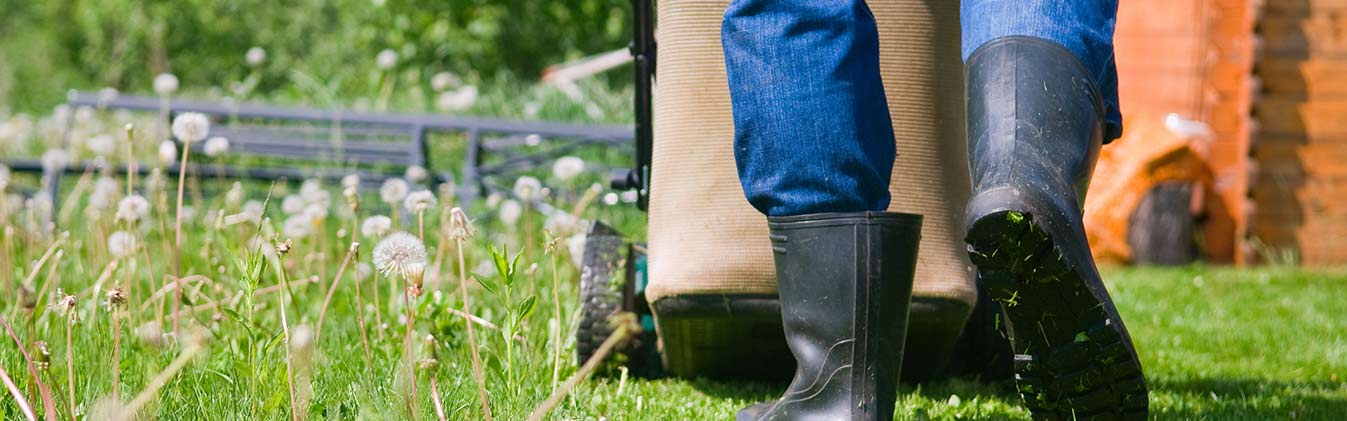
- lawn care or mowing where a small lawn exists
- patio and path cleaning
- hedge trimming or boundary shaping
- climbing plant control, including ivy management
- decking or fencing improvements where relevant
Many flat gardens also benefit from service combinations. A small outdoor area might need a neat boundary, a cleaner surface, and planting that works in shade. That is why a service such as landscaping in Earls Court SW5 can be useful even when the space is tiny. Landscaping is not just for large gardens. In a flat setting, it can mean better layout, better drainage, better storage of pots, and better movement through the space. Simple, but it matters.
Key Benefits and Practical Advantages
The value of local gardening support for flats is not just appearance. There are several very practical gains, and they add up quickly.
- Better use of compact space: A professional can suggest planting and layout ideas that make the area feel bigger rather than busier.
- Less everyday stress: You are not constantly wondering when to trim, sweep, feed, or replant something.
- Safer access: Overgrown paths, slippery patios, and awkwardly placed pots can become trip hazards.
- Improved privacy: Hedges, screening plants, and structured containers can soften overlooked balconies or courtyards.
- More reliable plant health: Potted plants dry out faster and need different care from borders or lawns.
- Cleaner shared areas: Particularly important for flats with communal access, courtyards, or shared entrances.
One quiet advantage people often miss is consistency. A flat garden can go from pleasant to patchy very quickly. A bit of missed watering here, a wind-battered planter there, and suddenly the whole thing looks unfinished. Regular care keeps that from happening.
If you have a small lawn, for instance, routine mowing and feeding can make a huge difference. The right lawn care in Earls Court SW5 helps prevent thin patches, moss build-up, and that uneven look that small lawns pick up so easily. It is a small thing, but visually it changes everything.
For people who value outdoor calm, the effect is more than cosmetic. A balcony with healthy herbs, clipped edges, and a few well-placed pots can feel like a tiny retreat. Not a grand statement. Just a useful, pleasant space you actually want to sit in with tea at 7:30 on a spring morning.
Who This Is For and When It Makes Sense
This kind of gardening support is especially useful if you live in one of the following situations:
- you own a flat with a balcony, terrace, or courtyard and want it to look cared for
- you rent and need outdoor space maintained without turning it into a big project
- you are a leaseholder sharing responsibility for a communal garden
- you manage a small residential block and need dependable seasonal upkeep
- you have mobility or time constraints and need ongoing help rather than a one-off effort
It also makes sense when the garden is not technically "big" but still needs expertise. For example, a shady courtyard with ivy, a windy top-floor terrace, or a small garden with difficult access may need more than casual DIY. A gardener can spot problems early, and that matters because small spaces amplify mistakes.
Sometimes the trigger is simple: you look out at the space and think, "I should deal with that" for the third week in a row. That is usually a clue. If the outdoor area is becoming mental clutter as well as physical clutter, it may be time to bring in help.
Step-by-Step Guidance
Here is a sensible way to approach gardening support for flats near Earls Court Station.
- Walk the space slowly. Look for overgrowth, weak plants, broken containers, poor drainage, and surfaces that need attention.
- Separate must-fix from nice-to-have. Safety and access come first. Beauty can follow.
- Decide how much maintenance you really want. Low-maintenance planting is often the best fit for flats.
- Choose the right mix of services. You may need hedge trimming, patio cleaning, planting, or more general upkeep.
- Ask how access will be handled. In flats, this matters. So does protecting communal hallways and lifts from soil, wet tools, or debris.
- Set a seasonal plan. Spring and autumn usually need more attention than people expect.
- Review the results after the first visit. Good gardening should make the space easier to live with, not just prettier for a week.
A lot of people skip step four and try to solve everything with one visit. To be fair, that can work in very simple spaces. But in most flats, it is smarter to break the job down. Cleaner patio first, then planting, then ongoing maintenance. Less drama. Better results.
If the space includes a hard surface, book a proper clean rather than hoping rain will sort it out. It won't, of course. Patio cleaning in Earls Court SW5 can restore the feel of a small courtyard or terrace much faster than repainting pots and hoping for the best.
Expert Tips for Better Results
Small spaces reward restraint. That is the first thing worth saying. The second is that the best flat gardens usually feel deliberate, not crowded.
Here are a few expert-level habits that really help:
- Use height wisely. Vertical planting and trained climbers can add green without eating floor space. See also compact-space vertical gardening ideas.
- Prefer containers with a clear purpose. One herb grouping, one seasonal display, one structural evergreen arrangement. Not ten random pots fighting for attention.
- Think about wind. Earls Court flats with balconies can be breezy. Plants that look fine at ground level may struggle higher up. A little wind control goes a long way.
- Keep a strict trimming rhythm. Small hedges and climbers can get untidy surprisingly fast. If privacy matters, a regular hedge trimming service helps preserve shape without turning the area into a jungle.
- Choose plants for their real conditions, not their showroom look. Shade, wind, and container depth matter more than Instagram-worthiness. Annoying, but true.
There is also a design tip many people overlook: repeat the same material or colour three times. For example, black pots, dark trellis, and a matching bench. That creates order. Order reads as space.
If your flat garden is on the darker side, there are useful planting options for that too. A thoughtful mix of structure and softness can work very well, especially when paired with ideas from evergreen vine planting for shady spaces.
Common Mistakes to Avoid
Most flat garden problems come from doing too much, too fast, or buying things that do not suit the space. It happens all the time.
- Overfilling the area: Too many pots make a small balcony feel cramped and harder to clean.
- Ignoring drainage: Flat gardens and terraces need careful watering and drainage planning. Soggy roots are bad news.
- Using the wrong plants: A sun-loving shrub will not be happy in a shaded courtyard, no matter how much you encourage it.
- Letting ivy or climbers run unchecked: This is one of the fastest ways to create hidden maintenance work. For more on the issue, see strategies for dealing with invasive ivy.
- Forgetting communal responsibilities: In shared buildings, one person's tidy-up should not block someone else's access.
- Skipping seasonal care: Winter and early spring can be surprisingly brutal on containers and soft growth.
Another mistake? Choosing decorative features before fixing the basics. A lovely lantern means very little if the paving is slippery and the planting has collapsed. Basic maintenance first. Always.
Tools, Resources and Recommendations
You do not need a shed full of equipment to keep a flat garden healthy, but the right tools matter. For residents doing part of the maintenance themselves, a small but well-chosen toolkit usually includes:
- sharp secateurs
- lightweight gloves
- watering can with a rose
- compact hand fork and trowel
- sturdy broom or soft patio brush
- plant ties and soft twine
- small feed measure for pots
On the planning side, keep a simple calendar for watering, feeding, trimming, and seasonal changes. It sounds obvious, but a lot of outdoor spaces drift simply because nobody is tracking what needs doing. A basic monthly note on your phone can be enough.
For inspiration, useful reading, and ideas that translate well into small spaces, these pages are worth a look:
- container gardening for beginners and enthusiasts
- ground cover ideas for borders
- sustainable gardening using recycled organic matter
- budget-friendly ways to improve a garden
If the area has become neglected, it may need more than routine touch-ups. In that case, a broader refresh can make sense. A careful neglected garden renovation approach can help you decide what to rescue, what to cut back, and what to replace.
Law, Compliance, Standards, or Best Practice
For flat gardening, the most relevant issues are usually practical rather than legal, but there are still standards to keep in mind. If you share a building, you need to respect communal access, noise considerations, and any rules set by the landlord or management company. That sounds dull, I know, but it avoids awkward conversations later.
Good practice also includes:
- keeping pathways clear during work
- removing waste responsibly
- avoiding damage to shared walls, railings, and drainage points
- checking whether cutting back trees, hedges, or boundary growth needs permission in shared settings
- using safe ladder and tool practices where height or access is tricky
For certain jobs, especially larger pruning or tree work, it is sensible to use experienced help. A qualified-looking team is not just about neat uniforms. It is about careful handling, sensible risk awareness, and working cleanly in close quarters. That is one reason people ask for tree surgery in Earls Court SW5 when overhanging branches or awkward growth start affecting light, privacy, or safety.
Best practice in a flat setting also means thinking about neighbours. If soil runs across a shared threshold or a pruning job leaves debris in a communal stairwell, the whole project feels careless. A good gardener should leave the area looking better, and also leave it easier to live with.
Options, Methods, or Comparison Table
Not every flat garden needs the same approach. Here is a simple comparison to help you decide what kind of help is most suitable.
| Approach | Best for | Strengths | Limitations |
|---|---|---|---|
| Routine maintenance visits | Ongoing flat gardens, balconies, and communal spaces | Prevents build-up, keeps everything tidy | Less useful if the space is already badly neglected |
| One-off tidy-up | Post-winter recovery or pre-letting refresh | Fast visual improvement | Problems can return quickly without follow-up |
| Light landscaping | Spaces needing better layout, planting structure, or hardscape tweaks | Improves how the area functions | Usually costs more time and planning |
| Specialist services | Lawns, hedges, patios, fencing, trees, ivy control | Targets a specific problem properly | May need several services rather than one visit |
For many flats, the best answer is a mix. A patio clean, some planting refresh work, and a maintenance schedule often beats a complete redesign. Though if the space is truly awkward, a properly planned update can be worth every penny.
Case Study or Real-World Example
Consider a typical Earls Court flat with a narrow courtyard behind the building. The owner has a few tired planters, a patchy paved surface, and one climbing plant that has started to dominate a fence. The space is not huge, but it feels busy and a bit neglected. They want somewhere to sit outside in the evening, maybe with a glass of something cold and a book they will probably only read three pages of.
A sensible gardener would usually start by:
- clearing dead material and cutting back overgrowth
- cleaning the paving to remove grime and algae
- checking the fence or screen for damage
- rethinking the planter layout so the area feels open
- introducing a few resilient plants rather than many fragile ones
If privacy is an issue, the fix might involve a structural element plus a plant-based solution. That is where services like fencing in Earls Court SW5 can support a cleaner, more enclosed feel, especially in communal or overlooked spaces.
After that, the owner keeps the space manageable with regular care rather than major interventions. The result is not a show garden. It is better than that. It is a place they use.
Practical Checklist
Use this quick checklist before booking a gardener or planning your own upkeep:
- Is the space a balcony, terrace, courtyard, shared garden, or small lawn?
- Do you need one-off work, regular maintenance, or a broader refresh?
- Are there access issues through communal halls, gates, or stairwells?
- Do any plants need trimming, replacing, or training?
- Is the patio, decking, or paving slippery, stained, or uneven?
- Do you need help with privacy, screening, or boundary structure?
- Are there wind, shade, or drainage problems?
- Would container gardening suit the space better than borders?
- Do you share responsibility with neighbours, a landlord, or a managing agent?
- Have you set a realistic seasonal maintenance plan?
If you can tick most of those off, you are already ahead of the game. If not, no drama. That simply means the space needs a clearer plan before the first spade goes in.
Conclusion
Finding the right gardeners near Earls Court Station for flats is really about matching expertise to space. Small outdoor areas need tidy thinking, not overcomplication. They need regular care, sensible planting, and a practical eye for access, privacy, and maintenance. Done well, even a modest balcony or courtyard can feel restful, attractive, and easy to look after.
The best result is one you can actually keep. Not a one-day makeover that collapses by the next season, but a space that quietly works for your day-to-day life. That is the aim, and it is very achievable with the right help.
If you are ready to improve a compact outdoor area, start with a clear plan and the right local support.
Get a free quote today and see how much you can save.


Mark's mastery in gardening enables him to effectively assist a multitude of clients in achieving their botanical aspirations. Additionally, his proficiency in writing allows him to explore various facets of gardening and landscape design with precision.