


Top gardening services Earls Court Road and nearby terraces
Posted on 12/10/2026

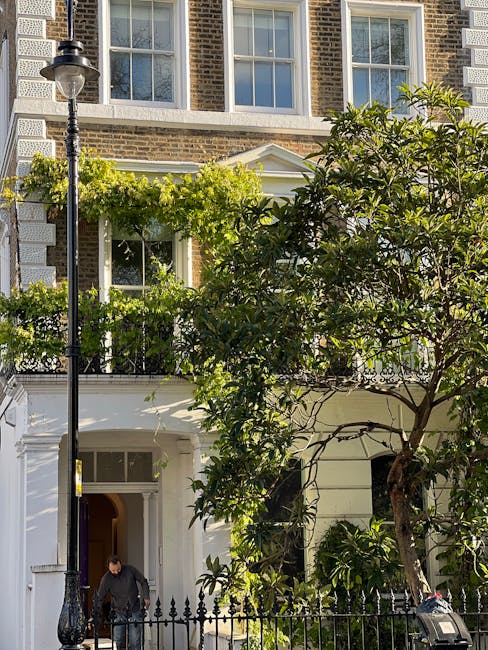
Earls Court Road has a feel that is easy to miss if you're rushing past: elegant stucco fronts, tucked-away side access, shared borders, and those compact terrace gardens that can look charming one week and a bit tired the next. That is exactly where Top gardening services Earls Court Road and nearby terraces make a real difference. Not just by cutting grass or trimming hedges, but by keeping small urban outdoor spaces healthy, tidy, and genuinely enjoyable to use.
In a terrace setting, every square metre matters. A few weeds can suddenly feel like a takeover. A shaded corner can become muddy and bare. A hedge that was meant to offer privacy can start blocking light. This guide walks you through the services that matter most, how they work, what to look for, and how to choose practical support that suits a London terrace without overcomplicating things.
For readers wanting a broader service overview, it can help to start with the main gardening services available in Earls Court and then drill into the areas that matter most for your own garden.
Why Top gardening services Earls Court Road and nearby terraces Matters
Terraced homes in and around Earls Court tend to share a common challenge: they are beautiful but space-poor. That means garden issues show up quickly. A patch of ivy on the fence, a thin lawn, or a slippery patio is noticeable straight away. And because terrace gardens are often viewed from kitchens, basements, and rear windows, the visual standard is higher than people realise. If the outside space looks neglected, the whole home can feel it.
There's also the matter of access. Many terrace gardens are long and narrow, with limited side access or tight rear entries. That changes the kind of work needed. A service that suits a suburban lawn may be useless here. In Earls Court, you need gardeners who understand small-space maintenance, careful waste removal, pruning without overcutting, and the odd awkward corner where hand tools are better than brute force. Simple, really - but not always easy.
Another reason this matters is continuity. Terrace gardens can go from manageable to unruly after just a few missed weeks in spring and summer. Regular attention keeps the place from sliding into a cycle of reactive jobs: emergency hedge cutting, rushed weed control, patio cleaning after build-up, and late fixes to lawn damage. That's no way to enjoy a garden, let's face it.
If you're dealing with a neglected plot, it may be worth pairing ongoing care with a one-off reset such as structured garden maintenance in Earls Court SW5 or even a more ambitious landscaping project for a terrace garden refresh.
Expert summary: In terrace gardens, the best results usually come from consistent small-scale care rather than occasional big interventions. That approach protects plant health, improves appearance, and makes the space far easier to use day to day.
How Top gardening services Earls Court Road and nearby terraces Works
A good gardening service for terrace properties usually begins with a site assessment. That may sound formal, but in practice it is straightforward: what grows well here, what is struggling, where is the light, and what is getting in the way? A professional will normally look at access, drainage, shade, boundary structure, planting density, and whether the space needs maintenance, repair, or a redesign.
From there, the work is split into practical tasks. In a typical terrace garden, these may include mowing, edging, pruning, hedge shaping, weed removal, leaf clearance, soil improvement, jet or hand cleaning of hard surfaces, and seasonal planting. If there are trees, larger shrubs, or boundary issues, those may be handled separately through tree surgery support or fencing work for garden boundaries.
What matters most is sequencing. For example, there is little point in laying out new planting if the patio is filthy, the hedge is overgrown, and the lawn is thin. Equally, removing invasive growth before reshaping the space can save time later. That sequence is what turns random labour into actual improvement.
Some households need a simple recurring plan; others need a deeper clean-up followed by lighter upkeep. For the first category, lawn care support and regular visits can be enough. For the second, more detailed sessions may be needed, such as hedge reshaping, patio cleaning, or even new decking or planting zones.
One small but useful point: terrace gardens often benefit from jobs being done in the right order across the seasons, not all at once. A tidy spring set-up, a summer trim, autumn clearance, and winter protection usually beats a frantic one-off overhaul. Every time.
Key Benefits and Practical Advantages
There are the obvious benefits, of course. A neat garden looks better, feels calmer, and makes the home more pleasant. But there are also quieter advantages that people notice after a few weeks or months.
- Better use of limited space: Terrace gardens need clear circulation, defined beds, and practical edges. Good maintenance makes even a small plot feel larger.
- Healthier plants: Pruning, feeding, irrigation checks, and soil care all help prevent stress, patchiness, and disease spread.
- Safer surfaces: Mossy paving, leaf build-up, and loose debris can be slippery. A clean patio matters more than people think.
- Improved privacy: Carefully managed hedges, screens, and fencing can protect a space without making it feel boxed in.
- Less long-term cost: Preventive care usually costs less than emergency repairs or full garden recovery. That is not glamorous, but it is true.
There is also the lifestyle side. Many terrace owners want a place to sit out with a morning coffee, not just a garden that photographs well in June. If that sounds familiar, a service mix that includes decking upgrades, patio cleaning, or planting-led improvements can make the garden feel much more inviting.
For families, the benefit may be calmer supervision and more usable outdoor time. For older residents, it may be the simple relief of not having to drag bags of cuttings or tackle climbing ivy alone. For landlords or managing agents, the benefit is presentation and reduced complaint risk. Different people, same underlying thing: a garden that is under control.
| Service type | Best for | Typical outcome |
|---|---|---|
| Routine maintenance | Busy homes, seasonal upkeep | A consistently tidy, healthy garden |
| Lawn care and mowing | Small lawns, patchy grass, uneven growth | Cleaner edges, stronger turf, better appearance |
| Hedge trimming | Privacy screens, boundary shrubs, light control | Balanced shape and improved daylight |
| Patio cleaning | Slippery, stained, weathered paving | Safer, brighter, more usable hard landscaping |
| Tree and boundary work | Overhang, shading, crowding, safety concerns | Better structure and reduced risk |
Who This Is For and When It Makes Sense
This kind of service is ideal if you live in a terrace house, a flat with a rear garden, a mews-style property, or a shared outdoor space where appearances and access matter. It also suits people who love their garden but know they won't keep up with it every week. Honest enough, that describes a lot of us.
You may need help if any of the following sound familiar:
- The garden looks fine from a distance, but up close it is full of weeds and patchy corners.
- Hedges are blocking light into the back room or kitchen.
- The patio is becoming slippery after rain.
- There is climbing growth taking over fencing or brickwork.
- The lawn has become thin, weedy, or uneven.
- You want a smarter look but do not want to start from scratch.
It is also worth considering support after a period of neglect, before guests arrive, or when you're moving in or out of a property. A garden that has been ignored for a season can often be brought back without a total rebuild, provided the first pass is thorough. If the space has a lot of overgrowth, the combination of precise hedge trimming and a neglected-garden recovery mindset can make the job feel far less daunting.
And if the real issue is not the plants but the structure around them, a little boundary work or cleanup may be the better first step. Sometimes the garden is not "bad" - it is just trapped behind a few avoidable problems.
Step-by-Step Guidance
If you want to approach terrace gardening services in a sensible way, start with the space itself. Here is a practical sequence that works well in many Earls Court gardens.
- Walk the garden slowly. Look for the obvious issues first: overgrowth, dead patches, poor drainage, cracked paving, blocked paths, or shadowed areas.
- Separate maintenance from improvement. Maintenance keeps things tidy. Improvement changes the space. The two can overlap, but the plan should be clear.
- Prioritise the structure. Deal with hedges, trees, fences, and hard surfaces before focusing on decorative planting.
- Handle weeds and invasive growth early. Bindweed, ivy, and vigorous self-seeding plants can undo good work if left in place.
- Improve soil or growing conditions. Add compost, refresh beds, and check whether containers, borders, or lawn areas need specialist attention.
- Set a realistic rhythm. Weekly, fortnightly, or monthly care depends on the garden's size and how quickly it grows.
- Review after the first session. A good service should leave you with a visibly better space and a practical next step, not just a one-day tidy-up.
If you are adding planting, think about the amount of light and wind the terrace gets. London terraces can look sheltered, but corners often dry out faster than expected. A planting scheme that works beautifully in one home may be a flop two doors down because the light is different. Tricky, but manageable.
For smaller plots, it can help to use vertical or layered planting rather than cramming everything at ground level. Vertical gardening ideas are especially useful where space is tight, and they pair well with container planting and tidy structural work.
Expert Tips for Better Results
A few practical habits make a very noticeable difference. None of them are glamorous, but they save time and improve results.
- Trim for shape, not just size. A hedge that is slightly smaller but properly shaped looks better and lasts longer between cuts.
- Keep hard landscaping clean before it turns slippery. Dirt and algae build up gradually, then suddenly. That is usually when people notice.
- Choose plants for the site, not the catalogue photo. Shade, wind, and container size matter more than the label does.
- Use mulch where appropriate. It helps reduce weeds and moisture loss, especially in borders that dry out quickly.
- Cut ivy and climbing growth early. It is far easier to manage when it is small. Ignore it and, well, you know the rest.
- Plan for winter while the garden is still looking decent. Protection is easier before the first hard frost or heavy rain spell arrives.
We also recommend thinking about the garden in layers: ground level, mid-height planting, and boundary structure. That makes it easier to maintain the space without creating one dense block of growth. A terrace garden should breathe a little. It should not feel like a jungle trying to win an argument.
For planting inspiration, the following resources can help frame practical decisions: ground cover choices for borders, evergreen vines for shaded areas, and simple herb-garden ideas for small productive corners.
Common Mistakes to Avoid
Most terrace garden problems are not caused by bad luck. They come from a few repeat mistakes.
- Overcutting hedges and shrubs. This can leave the garden looking bare and can stress the plant.
- Ignoring the patio until it becomes hazardous. A clean surface is easier and cheaper to maintain than a deeply weathered one.
- Choosing fast-growing plants without a plan. Great in theory. Chaotic in practice.
- Letting ivy climb unchecked. Decorative when managed, destructive when neglected.
- Assuming lawn care is just mowing. Turf usually needs feeding, aeration, and the occasional correction of compaction or thatch.
- Starting with design before clearing the basics. No one enjoys landscaping around a mess that should have been removed first.
Another common issue is mismatched expectations. Some gardens only need routine care; others need a reset before they can be maintained properly. If you hire help expecting a full transformation from a single visit, you may be disappointed. Better to agree on what success looks like: tidy, safer, healthier, or newly restructured.
And one more thing: don't underestimate access logistics. In a terrace, moving waste, tools, and cuttings through the property can affect timing and cost. Not dramatic, just reality.
Tools, Resources and Recommendations
Good work starts with the right tools, and in terrace gardens, compact and efficient equipment usually wins. A huge mower may look impressive, but if it cannot turn in a narrow run, it is of little use.
- Hand shears and secateurs: useful for close pruning and delicate shaping.
- Lightweight lawn mower: practical for smaller lawns and awkward corners.
- Rake and leaf collector: essential in autumn and after windy spells.
- Weed removal tools: helpful for borders, paving joints, and around planting pockets.
- Pressure or patio cleaning equipment: used carefully, especially on older paving.
- Soil improvers and compost: useful where beds are tired or container plants are underperforming.
For regular upkeep, you may also want to think in service layers rather than one fixed package. Some people mainly need mowing and care for the grass through lawn mowing in Earls Court SW5, while others benefit more from full seasonal visits that include pruning, edging, and boundary work.
One practical recommendation: keep a short note after each visit. What was done, what is coming back quickly, and what should be checked next month? It sounds slightly fussy, but in a small garden that record can stop the same problem returning again and again.
For richer context, these articles are especially useful: must-have gardening tools, sustainable use of recycled organic matter, and practical weed-control tips.
Law, Compliance, Standards, or Best Practice
For terrace gardening, compliance is usually less about paperwork and more about responsible practice. Still, there are some sensible standards to keep in mind.
Tree work should be approached cautiously, especially where branches overhang neighbouring property or are near buildings, walls, or cables. If work could affect safety or structure, specialist tree knowledge is the sensible route. Gardeners should also avoid damaging shared boundaries, drains, or hard landscaping when carrying out clearance or digging.
Noise, access, waste handling, and neighbour consideration matter too. In dense London terraces, a tidy contractor is often appreciated more than a flashy one. Clearing arisings properly, keeping shared walkways usable, and working at reasonable times all help avoid friction. Nothing fancy, just decent professional manners.
Plant selection should also be sensible in a terrace setting. Aggressive climbers, overly large shrubs, and dense root systems can cause avoidable trouble if placed badly. A best-practice approach is to match the plant to the available light, boundary type, and level of maintenance the owner can realistically support.
Finally, if there are decked areas, boundary panels, or structural elements, repair work should be coordinated rather than guessed at. Good practice is careful, measured, and a bit boring. Which, in gardening, is often exactly what you want.
Options, Methods, or Comparison Table
If you are deciding how much support to book, the following comparison can help. The right answer depends on the garden, the season, and how hands-on you want to be.
| Option | Best suited to | Strengths | Limitations |
|---|---|---|---|
| Basic maintenance only | Gardens that are already in decent shape | Efficient, affordable, keeps things tidy | Won't fix deeper layout or planting problems |
| Maintenance plus targeted improvements | Most terrace gardens | Balances upkeep with visible progress | Needs clearer planning |
| Full garden recovery | Neglected or overgrown spaces | Transforms access, structure, and usability | Takes more time and usually more budget |
| Ongoing seasonal care | Owners who want consistency year-round | Best for long-term health and presentation | Requires regular commitment |
There is no single best method for every terrace. A small sunny courtyard with pots needs something different from a long shaded rear garden with hedging and paving. In many cases, the smartest approach is a mix: regular care for the basics, plus occasional specialist work where it counts.
Case Study or Real-World Example
Consider a typical Earls Court terrace garden: a narrow paved area with a small strip of grass, an ageing fence, a hedge that has grown heavier on one side, and climbing ivy starting to creep where it should not. The owners want the space to feel calmer, less cluttered, and more usable for weekend sitting.
The first visit focuses on clearing and shaping. The lawn is cut and edged, the patio is cleaned, the hedge is balanced, and the ivy is removed before it gets deeper into the boundary. Next comes the practical improvement stage: the border is tidied, the fence is assessed, and a few structural tweaks help the space feel less cramped. After that, the owners have a simple maintenance rhythm rather than a constant catch-up battle.
What changed most? Not just appearance. The space became easier to step into after work, easier to look after on a wet week, and less annoying to live with. That may sound small, but in a terrace home those small wins stack up fast. One brighter corner. One safer path. One morning where you actually want to open the back door.
For more context on issues like this, the articles on ivy removal and storm-damage protection are especially relevant.
Practical Checklist
Use this quick checklist before booking work or planning your next garden refresh:
- Identify whether the garden needs maintenance, repair, or redesign.
- Note any safety issues such as slippery paving or unstable growth.
- Check hedge height, fence condition, and tree overhang.
- Look at where light is being lost and whether pruning would help.
- Decide which areas are for sitting, planting, or circulation.
- List your biggest frustrations: weeds, mowing, messy borders, or poor drainage.
- Think seasonally; what needs doing now, and what can wait?
- Ask for a plan that fits the garden's size rather than a generic package.
- Make sure waste removal and access are included in the conversation.
- Schedule the next visit before growth gets away from you again.
A good checklist does not need to be elaborate. It just needs to be honest. A terrace garden can be surprisingly forgiving once the basics are sorted. Surprisingly stubborn too, if you ignore it.
Conclusion
Top gardening services Earls Court Road and nearby terraces are about more than tidiness. They help turn small, awkward, or tired outdoor spaces into places that feel calm, manageable, and actually worth using. In a terrace setting, that means working with the space rather than fighting it: keeping growth in check, making hard surfaces safe, improving privacy without blocking light, and building a maintenance rhythm that suits real life.
The best results usually come from a sensible mix of recurring care and targeted improvements. Start with the basics, fix the structure, then shape the rest around how you live. That is the simple version, and honestly, it's the one that lasts.
If you are weighing up the next step, begin with the service area that feels most urgent and build from there. A small improvement done well often changes how the whole garden feels.
Get a free quote today and see how much you can save.
And if your garden has felt a bit neglected lately, don't worry. Most terraces can be brought back to life with patient, practical work. One good session can change the mood of the whole place.


Mark's mastery in gardening enables him to effectively assist a multitude of clients in achieving their botanical aspirations. Additionally, his proficiency in writing allows him to explore various facets of gardening and landscape design with precision.