


Warwick Road garden maintenance and gardeners local checklist
Posted on 20/10/2026
Keeping a Warwick Road garden in good shape is rarely just about mowing a lawn or pulling a few weeds. In a busy London setting, garden maintenance has to work around narrow access, shared boundaries, shade from neighbouring buildings, changing weather, and the simple reality that life gets in the way. A solid Warwick Road garden maintenance and gardeners local checklist gives you a practical way to stay on top of the jobs that matter, spot problems early, and decide when it makes sense to bring in professional help.
If your garden has started to feel a bit tired, overgrown, patchy, or awkward to manage, you are not alone. Even well-loved outdoor spaces can drift into that state after a few missed weekends. The good news is that with the right checklist, you can turn maintenance from a vague burden into a straightforward routine. This guide covers what to check, how often to check it, what good garden care looks like in a local context, and how to choose the right support when the work becomes more than a quick tidy-up.
For readers who want a broader service overview as well, the team's garden maintenance services page is a useful place to start. And if your garden needs more than routine care, it can help to look at the wider gardening services available in Earls Court too.
Why Warwick Road garden maintenance and gardeners local checklist Matters
A local checklist matters because gardens in this part of London tend to have quirks that make generic advice a bit useless. Some spaces are compact and shaded. Others catch wind between buildings. Some have older boundary walls, mixed paving, mature shrubs, or lawns that never quite get the level of sunlight they need. If you only maintain what is immediately obvious, the small issues pile up fast.
Here is the thing: good garden maintenance is mostly about timing. A weed left for two weeks can become a small colony. A hedge trimmed at the right moment stays dense and healthy; left too long, it can become leggy and uneven. A blocked drain edge, a slippery patio, or a patch of moss on a path might seem minor until someone actually slips. That is why local gardening teams often work from a repeatable checklist rather than doing everything ad hoc.
Warwick Road gardens also have the usual London pressure points: limited storage, tight access for waste removal, and neighbours close enough to notice noise and overgrowth. A professional approach keeps maintenance neat, efficient, and considerate. It also helps preserve privacy and structure, especially when boundary planting, fencing, or climbing growth is involved. If a boundary is becoming part of the maintenance challenge, the fencing service page is relevant to review.
Expert summary: the best local garden maintenance plans are not the fanciest ones. They are the ones that suit the garden's light, layout, access, and seasonal pressure points, then repeat reliably.
How Warwick Road garden maintenance and gardeners local checklist Works
A local checklist works by breaking a garden into zones and assigning each zone a maintenance rhythm. That sounds simple, because it is. But simple does not mean basic. In practice, the checklist usually covers four layers: structure, planting, surfaces, and seasonal risk.
1. Structure
This includes the fixed parts of the garden: fences, gates, sheds, trellises, raised beds, edging, decking, and paved areas. These are the things that give the space shape. If the structure is weak, the whole garden feels messy. A loose fence panel or a slippery deck can also create safety issues, especially after wet weather. For timber features, periodic checks are worth every minute.
2. Planting
Plants change quickly, especially in a small garden. One month they look balanced, and then suddenly a climber has gone rogue. The checklist should cover shrubs, borders, hedges, climbers, containers, lawns, and any plants that need feeding, staking, deadheading, pruning, or replacing. If you are dealing with a lawn-heavy space, pairing routine visits with regular lawn mowing and broader lawn care usually gives a better finish than mowing alone.
3. Surfaces
Pathways, patios, steps, gravel, and decking all collect debris, algae, and weather staining. In a local checklist, surfaces are not decorative extras; they are core maintenance items. A clean patio makes the whole garden feel brighter, and it reduces the risk of slips. If paving has become dark or slippery, patio cleaning is one of the most noticeable upgrades you can make.
4. Seasonal risk
Weather changes the agenda. Spring means growth management. Summer means watering, deadheading, and heat stress. Autumn brings leaf fall, debris, and drainage issues. Winter shifts attention to protection, structural checks, and pruning only where suitable. A sensible checklist adapts to the season rather than pretending each month is the same.
To be fair, this is where a lot of homeowners get stuck. They know the garden needs attention, but not what to tackle first. A local checklist solves that by turning maintenance into a sequence. It also makes it easier to brief a gardener, compare quotes, or simply plan the month without feeling overwhelmed.
Key Benefits and Practical Advantages
Using a Warwick Road garden maintenance and gardeners local checklist is not just about keeping things tidy. It gives you a better-quality garden and a calmer decision-making process. And yes, that calm matters.
- Better plant health: early pruning, feeding, and weeding reduce stress on plants and help them establish properly.
- Cleaner presentation: borders look sharper, lawns look intentional, and paths stop looking forgotten.
- Lower repair costs: routine checks can spot rot, loose fixings, pest damage, or drainage issues before they become expensive.
- Safer surfaces: moss, algae, and clutter are easier to deal with before they become a hazard.
- Improved privacy: hedges and climbers can be maintained to screen views without turning into a tangle.
- Less stress for the owner: when the plan is clear, garden care feels manageable instead of endless.
There is also a visual benefit that people often underestimate. A well-kept garden changes how a home feels from the inside out. You glance out of the window on a grey Tuesday morning and it still looks ordered. That matters more than people admit.
If your outdoor space is small, the right maintenance can make it feel larger. If it is mature and layered, consistent care protects the character. And if you are starting from a neglected state, structure-first maintenance usually gives the quickest sense of progress. For those situations, a neglected-garden reset often pairs well with an expert-led tidy-up such as local landscaping support.
Who This Is For and When It Makes Sense
This checklist is useful for several types of property owner, not just people with large gardens and the time to admire them. Truth be told, the people who benefit most are often the busiest ones.
Homeowners with small to medium gardens
If your garden is compact, maintenance mistakes show up quickly. One missed cutting cycle or one overgrown border can change the whole feel of the space. Regular checks keep the garden from shrinking visually.
Landlords and managing agents
Tenanted homes need a reliable standard. Outdoor spaces can become a complaint point if they look neglected, so a simple maintenance routine is a sensible safeguard.
Busy households
Families often need the garden to be usable, not perfect. That means safe paths, clear access, manageable lawn edges, and plants that do not need constant rescue.
Older gardens with mature planting
Mature gardens have real charm, but they also need control. Hedges, ivy, climbing plants, and larger shrubs can become a problem if they are not monitored. If an invasive climber is already making itself at home, it may be worth reading about ivy removal strategies or the related guide on comprehensive ivy control.
People preparing to sell or rent
A tidy, healthy garden adds immediate curb appeal. No drama, no grand redesign needed. Just disciplined maintenance and a sharp eye for detail.
If you are unsure whether you need maintenance, a bigger tidy-up, or a full rework, start with a garden walk-through. Stand at the back door and ask: what do I see first? What looks tired? What is unsafe? What is getting hidden by growth? Those questions are usually more useful than any brochure. Funny how that works.
Step-by-Step Guidance
A proper local checklist should be simple enough to use and detailed enough to guide action. Here is a practical way to approach it.
Step 1: Start with a slow visual survey
Walk the garden in daylight and look at it from different angles. Note the obvious issues first: long grass, dead plants, leaning stakes, overhanging branches, blocked gutters or drains at the edge of the space, and any damaged fencing or hard landscaping.
Step 2: Separate urgent jobs from routine jobs
Urgent work includes hazards, broken structures, or anything likely to worsen quickly. Routine jobs are mowing, edging, weeding, trimming, and deadheading. If you do everything at once, the plan becomes harder to maintain. Better to split the list.
Step 3: Deal with growth that affects shape
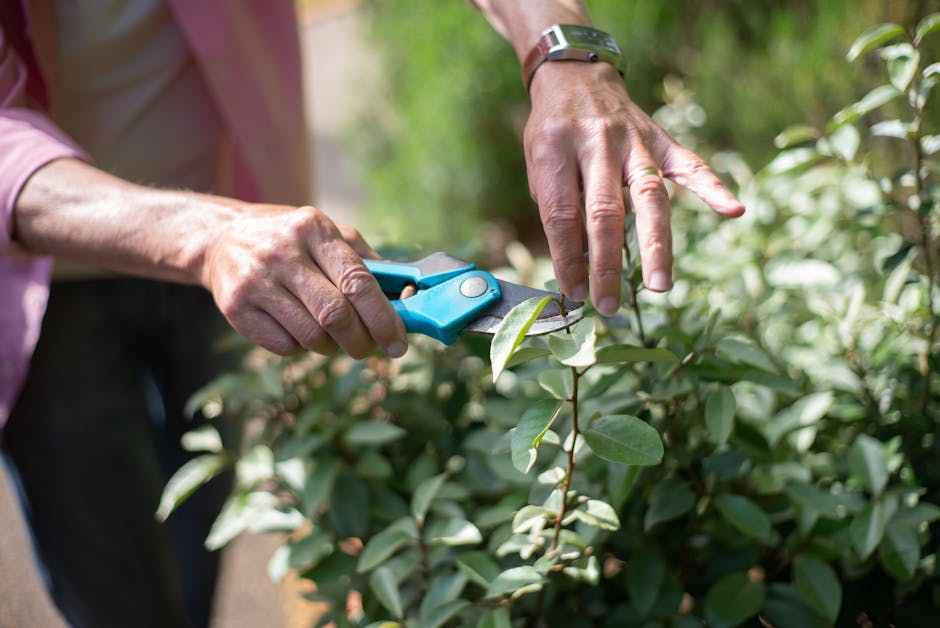
Hedges, shrubs, and climbers define the garden's structure. If they are not cut back in a timely way, they can crowd paths, block light, or lean into neighbouring boundaries. For that kind of work, a specialist hedge trimming service is often worth it, especially if the hedge is tall, formal, or over-mature.
Step 4: Tackle the ground plane
The ground plane is where most gardens look messy first. That means lawns, borders, patio edges, and beds. Weeds are easier to remove when they are small. Lawn edges look smarter when cut cleanly. Borders benefit from mulch, deadleaf removal, and seasonal refreshing.
Step 5: Check for hidden problems
Look under shrubs, behind planters, and along fence lines. This is where pests, fallen branches, damp debris, and invasive shoots tend to hide. If tree limbs are causing shading, rubbing structures, or showing signs of risk, it may be time to review tree surgery support.
Step 6: Finish with surfaces and presentation
Clean paths, sweep patios, reset pots, and remove waste. It sounds final, but presentation is not vanity here. It is how you spot whether the maintenance has actually worked.
In our experience, the strongest gardens are not the ones that look dramatically transformed every visit. They are the ones that stay consistently okay. That is not glamorous, perhaps, but it is exactly what most people want.
Expert Tips for Better Results
A few small habits make a very large difference. They are the sort of things a good gardener does almost automatically.
- Trim for density, not just neatness. A hedge or shrub should usually be shaped so it grows back evenly, not simply clipped flat and forgotten.
- Work from the outside in. Start with boundary edges, paths, and obvious sightlines before moving to beds and containers.
- Use mulch where appropriate. It helps suppress weeds and keeps moisture in the soil. Simple, but effective.
- Water less often but more thoughtfully. Quick surface watering often encourages shallow roots. Deeper, measured watering is generally better for established plants.
- Respect shade. Not every garden needs sun-loving planting. If the space is dim, choose plants that genuinely cope with that condition rather than forcing the issue.
- Keep notes. A tiny notebook or phone note about what was pruned, fed, or replaced last time can save a lot of guesswork later.
For readers working with awkward shade or vertical boundaries, the blog on evergreen vines for shady spaces is particularly useful. Likewise, small-space gardeners may appreciate the ideas in vertical gardening for compact plots.
And one more thing: if the garden needs to feel calmer rather than busier, sometimes the answer is to remove more than you add. That is a surprisingly hard lesson for plant lovers, but a good one.

Common Mistakes to Avoid
Most garden maintenance problems come from inconsistency, not neglect in the dramatic sense. You do not need to disappear for a year to end up with a difficult garden. A few missed cycles will do it.
Leaving pruning too late
Some shrubs and hedges can recover from light, regular cuts. Leave them until they are sprawling, and you risk cutting too much at once or leaving bare patches.
Mixing up tidy and healthy
A garden can look neat but still be underfed, compacted, or poorly watered. Don't judge maintenance by appearance alone.
Ignoring the edges
Fence lines, wall bases, drain covers, and the backs of raised beds are where weeds and damp debris gather. Those little edge zones are often the first sign the garden is losing control.
Using the wrong plant choices for the site
If a plant hates shade, wind, or dry soil, it will keep reminding you. Usually by sulking. Sometimes loudly.
Letting ivy or climbers take over
Climbers are lovely until they are not. Once they get established in the wrong place, removal becomes much more time-consuming. That is where a proactive plan matters, not a heroic one later.
Skipping seasonal checks
Winter storm damage, summer dry stress, and autumn leaf buildup all need different responses. A one-size-fits-all approach tends to fall apart.
If you are taking on a space that has been neglected for a while, the advice in neglected garden renovation may give you a sensible starting point without making the process feel overwhelming.
Tools, Resources and Recommendations
You do not need a van full of equipment to keep a Warwick Road garden under control, but the right tools matter. A tidy toolkit keeps maintenance quicker and more consistent.
| Tool or resource | Best use | Why it helps |
|---|---|---|
| Bypass secateurs | Light pruning and deadheading | Clean cuts reduce plant stress |
| Long-handled loppers | Thicker stems and awkward growth | Gives reach without forcing cuts |
| Rake and stiff broom | Leaves, debris, and patio cleanup | Keeps surfaces safe and presentable |
| Edging tool | Lawn edges and borders | Sharpens the visual line of the garden |
| Mulch or compost | Borders and beds | Improves moisture retention and soil structure |
| Checklist notebook | Ongoing maintenance planning | Helps you track what was done and when |
For better lawn results, it is also worth pairing mowing with proper lawn care rather than treating grass as an afterthought. If the lawn is the first thing people see, it deserves a little respect. The same goes for hard surfaces; a clean patio can change the feel of the whole garden in ten minutes flat.
Some gardens also benefit from design-led support. If you need to rethink circulation, layout, screening, or planting structure, a more considered landscaping approach can make later maintenance much easier. That is the quiet win people do not always notice at first.
Law, Compliance, Standards, or Best Practice
For most domestic gardens, the main concern is not formal compliance paperwork but sensible, neighbour-aware best practice. Still, a few UK expectations are worth keeping in mind.
First, tree work should be approached carefully. If a tree is protected or subject to local restrictions, you should check before cutting significant limbs or removing it. Even when no formal restriction applies, it is best to avoid unnecessary major cuts and use qualified support when the tree is large, unstable, or close to structures. That is a practical safety issue as much as anything else.
Second, hedge and boundary maintenance should respect adjoining properties. If a hedge overhangs or drops debris into a neighbour's space, keep communication calm and straightforward. Garden disputes are usually easier to prevent than to repair. No one wants an argument over a laurel hedge on a rainy Thursday.
Third, waste handling should be tidy and responsible. Green waste, cuttings, and removed materials should be gathered promptly and disposed of properly. If the work produces a lot of waste, make sure the contractor explains how it will be removed.
Finally, use best practice for safety. That means correct ladder use, careful pruning, powered tools handled by competent people, and no rushing. A good maintenance routine is not about speed alone. It is about doing the job cleanly without creating a new problem.
If you want to know more about the people behind the work, the about us page gives helpful context on the service ethos and approach.
Options, Methods, or Comparison Table
There are usually three ways to manage a local garden: DIY upkeep, ad hoc help, or scheduled professional maintenance. Each has a place.
| Approach | Best for | Strengths | Limitations |
|---|---|---|---|
| DIY maintenance | Hands-on owners with time | Full control, lower direct cost, familiar routine | Easy to fall behind, harder for heavier tasks |
| Ad hoc gardener visits | Occasional tidy-ups or seasonal resets | Flexible, useful for bursts of work | Can be inconsistent if not planned well |
| Regular professional maintenance | Busy households, landlords, or complex gardens | Consistency, better standards, early problem spotting | Requires ongoing budget and clear brief |
For many Warwick Road properties, a hybrid approach works best. You handle light tasks in between visits, while professionals take care of mowing, hedging, border maintenance, and the jobs that benefit from experience. This is especially sensible if the garden includes layered planting, climbing growth, decking, or a lawn that needs proper attention through the season.
If your outdoor space includes timber features or a seating area, you might also want to compare maintenance with improvements such as decking services. Small upgrades can reduce future maintenance if they are planned well.
Case Study or Real-World Example
A typical local example might look like this: a modest rear garden near Warwick Road, with a patchy lawn, a narrow border on one side, an overgrown hedge at the back, and paving that has gone slippery after a wet season. Nothing dramatic. Just a garden that has slipped slightly out of rhythm.
The first visit focuses on the basics. The lawn is cut and edged. The border is cleared of weeds and dead material. The hedge is reduced carefully rather than hacked back. The patio is swept and cleaned. A few struggling plants are removed, and the soil is topped up with compost where the bed has become thin. Within one session, the garden is not transformed into a showpiece, but it becomes usable, balanced, and easier to maintain next time.
A month later, the same garden is easier to manage because the first visit has reset the structure. That is the real value of a checklist-led approach. It creates momentum. And once momentum starts, gardens usually respond kindly. Not always instantly, but kindly enough.
In more challenging cases, such as heavy ivy, mature hedges, or tree-related shading, the maintenance plan may need specialist input. That is where staged work is smarter than trying to solve everything on a single afternoon.
Practical Checklist
Use this as a local working checklist for routine garden maintenance. It is designed to be practical rather than pretty.
- Walk the garden and note urgent hazards first.
- Check lawns for length, thin areas, moss, and edge definition.
- Inspect hedges and shrubs for overgrowth, dieback, or imbalance.
- Look for weeds in borders, paving joints, and fence lines.
- Remove leaves, twigs, and debris from patios, paths, and drains.
- Check fences, gates, posts, and any timber structures for damage or looseness.
- Review decking or paving for slipperiness, staining, or movement.
- Deadhead flowering plants where appropriate.
- Prune lightly only where the plant and season allow it.
- Water containers and new planting thoroughly.
- Refresh mulch or compost in borders when needed.
- Check for ivy, suckers, or self-seeded plants spreading where they should not.
- Trim lawn edges for a cleaner finish.
- Dispose of green waste properly.
- Make a note of anything needing specialist attention next visit.
If you want the garden to stay workable rather than occasionally rescued, repeat this checklist on a sensible cycle. Weekly for small high-use spaces, fortnightly for moderate gardens, and seasonally for the bigger structural jobs. That rhythm is usually enough.
Conclusion
Warwick Road garden maintenance and gardeners local checklist planning is really about bringing order to a space that changes all the time. Gardens grow, weather shifts, surfaces gather grime, and the best-laid plan can slip if no one checks it for a month or two. A good local checklist gives you clarity. It tells you what to do now, what to monitor, and when to call in help before problems become stubborn.
The best maintenance is steady, thoughtful, and site-aware. It keeps the garden healthy without overcomplicating it. And in a London setting, that balance matters. A neat hedge, a safer path, a stronger lawn, and a tidier border can change how the whole home feels. Little wins, really, but they add up.
Get a free quote today and see how much you can save.
And if nothing else, remember this: a garden does not need to be perfect to be lovely. It just needs a bit of attention at the right time, from someone who cares enough to notice the small things.


Mark's mastery in gardening enables him to effectively assist a multitude of clients in achieving their botanical aspirations. Additionally, his proficiency in writing allows him to explore various facets of gardening and landscape design with precision.